How to Clean Windows Without Streaks
To clean windows without streaks, wash on a dry, overcast day, wet the glass well with a mild cleaner, pull a squeegee from top to bottom, and polish the edges with a dry microfibre cloth. Use only a little cleaner, because too much is the main cause of streaks.
In Pakistan, windows get dirty fast. Dust storms, construction, traffic smog and monsoon rain leave grey films and spots, especially on outer panes.
This guide explains when to clean, what to use, the exact squeegee technique and how to deal with frames, sills, mirrors and hard-water marks. It also covers how often to clean and which homemade mixes work. Each section starts with the short answer, so you can jump to the part you need.
When Is the Best Time to Clean Windows?
Clean windows on a dry, cloudy day, or in the early morning or evening when the glass is out of direct sun. Kärcher says hot sun dries the cleaner before you can wipe it, which leaves streaks.
Real Homes’ cleaning experts agree. James King of DeluxeMaid warns that solution drying too fast leads to patchy results and harder scrubbing, which puts extra pressure on the glass.
In Pakistani summers, that rules out most of the day. Aim for the first hour after sunrise, or wait for an overcast spell.
Avoid washing just before rain or a dust storm. Fresh grit sticks to damp glass and undoes your work.
Also check the forecast for wind. Strong wind dries glass quickly and blows dust onto it, so a calm day gives the cleanest finish on upper floors and balconies.
What Do You Need to Clean Windows Properly?
You need a squeegee, two microfibre cloths, a bucket or spray bottle and a mild cleaner. That simple kit covers almost every home window.
- Squeegee: one with a rubber lip removes water in one stroke. A flexible blade suits patterned or rippled glass.
- Microfibre cloths: one damp for washing, one dry for polishing. Yessica Bello of Bello’s Cleaning notes microfibre leaves no lint.
- Sponge or applicator: to spread the solution generously.
- Bucket or spray bottle: for the cleaning mix.
- Soft brush: for frames, tracks and corners.
- Glass cleaner or a homemade mix.
If you have no cloth, Kärcher says loosely crumpled newspaper can polish glass in a pinch.
For high windows, add an extension pole for the squeegee. Never lean out of upper windows; clean them from inside where possible.
How Do You Clean Windows Step by Step?
Wet the glass well, squeegee from the top, then polish the edges. Kärcher and Real Homes both describe this three-part method:
- Prepare: take down curtains and dust the frame so loose dirt does not run onto the glass.
- Apply: spread the cleaner generously with a sponge or spray. Too little water stops the blade gliding.
- Loosen: wipe the pane with a damp microfibre cloth. For stubborn spots, apply a baking soda paste for a few minutes, then wipe.
- Squeegee: start at a top corner and pull down, or use Kärcher’s figure of eight motion.
- Wipe the blade: clean it after every stroke, as Real Homes advises.
- Polish: buff the edges and corners with a dry cloth, a chamois or a tea towel.
- Finish: wipe the sill and rehang curtains.
Work on one pane at a time, so the cleaner never dries before you finish.
Which Cleaner Leaves the Fewest Streaks?
A mild glass cleaner or diluted dish soap, used sparingly, gives the clearest result. Kärcher warns that using too much cleaner leaves a greasy film that causes streaks.
The simplest mix is lukewarm water with a small squirt of washing-up liquid. Kärcher advises choosing one without added balsam or moisturisers, which leave residue.
Ready-made glass cleaners are quicker for small jobs such as mirrors and glass tables. Spray lightly, wipe and buff. Kärcher adds that window concentrates diluted in water can leave a thin protective layer that helps rain run off.
Keep strong chemicals away from frames and sills. They can dull paint, discolour uPVC and damage rubber seals.
Whatever you use, the technique matters more than the product. A good blade and a dry cloth will beat an expensive cleaner applied badly.
Do Homemade Window Cleaners Work?
Yes, several simple mixes work well. Kärcher lists these household options:
| Mix | Amount | Notes |
|---|---|---|
| Vinegar | 1 cup per 1 litre of water | Cover marble sills first |
| Citric acid | 2–3 tablespoons per litre | Good on hard-water spots |
| Dish soap | A small squirt in lukewarm water | Choose a plain formula |
| Black tea and lemon | 1 large cup of strong tea, about 3 litres of water, juice of half a lemon | Traditional remedy |
| Methylated spirit | A splash per 5-litre bucket | Wear gloves |
Real Homes also suggests equal parts vinegar and water in a spray bottle, with a few drops of essential oil for scent.
Vinegar and citric acid are acids, so keep them off marble and natural stone sills, which they can etch. Rinse the cloth often, and test any mix on a small corner first.
How Do You Clean Window Frames and Sills?
Brush off loose dirt, then wipe with a damp cloth and a cleaner suited to the frame material. Clean frames before the glass, so dirty water does not run onto clean panes.
Kärcher recommends removing coarse dirt with a hand brush or dry cloth first. Then wipe with a soft sponge and mild soapy water.
Match the cleaner to the material:
- Wood: use a gentle soap and a care product that protects against weathering.
- uPVC or plastic: use an anti-static plastic cleaner so dust is not attracted back.
- Aluminium: mild soapy water, then dry to prevent water marks.
Sliding window tracks collect a lot of dust and sand in Pakistan. Vacuum them with a narrow nozzle, then wipe with a damp cloth wrapped around a flat stick.
If you see black spots of mould around the frame, Real Homes suggests soap, warm water and a brush, then a thorough rinse.
How Do You Remove Hard Water Spots From Windows?
Use a mild acid such as diluted vinegar or citric acid to dissolve the mineral spots, then rinse and dry. Hard-water spots are left when tap water dries on the glass.
Many Pakistani cities have hard tap water, so outer windows and shower glass often show white dots after rain or watering plants.
Spray a vinegar or citric acid mix (see the table above) onto the spots and leave it for a few minutes. Wipe with a microfibre cloth, then squeegee off.
For stubborn marks, apply a paste of baking soda and water, rub gently and rinse.
To stop new spots forming, always dry the glass fully after cleaning. Kärcher notes that steam is demineralised, so steam cleaning leaves no mineral marks of its own.
Never scrape spots off with a blade or abrasive pad, which can scratch the glass permanently.
How Often Should You Clean Your Windows?
Clean windows inside and out about every two months, more often in dusty spells. Kärcher says dirt builds up fastest during high pollen, after heavy rain or during long dry, dusty periods.
In practice, that means a quick wipe of street-facing windows every few weeks in cities such as Lahore and Karachi. Inner panes can usually wait longer.
A useful routine:
- Weekly: wipe fingerprints from glass doors and mirrors.
- Monthly: clean kitchen windows, which collect cooking grease.
- Every two months: wash all windows inside and out.
- After storms: rinse outer panes once the dust settles.
Clean curtains and blinds at the same time, so dust does not fall back onto fresh glass. Kärcher suggests dusting blinds with a damp cloth.
Is Newspaper Good for Cleaning Windows?
It can work when you have no cloth. Kärcher says loosely crumpled newspaper can dry glass, and Real Homes mentions it for mirrors. Microfibre is better, though, because ink can mark light frames and paper falls apart when wet.
Why Do My Windows Still Have Streaks?
The usual causes are too much cleaner, drying in sun, a dirty or worn squeegee blade, or a dirty cloth. Kärcher notes a worn blade causes streaks; turn it over to use the other edge. Wipe the blade after every stroke and polish with a clean, dry cloth.
How Do You Clean Mirrors Without Streaks?
Spray a little cleaner onto a microfibre cloth, not the mirror, then wipe from top to bottom and buff with a dry cloth. This stops liquid running into the frame and damaging the silver backing at the edges.
Which Saafco Product Is Best for Streak-Free Windows?
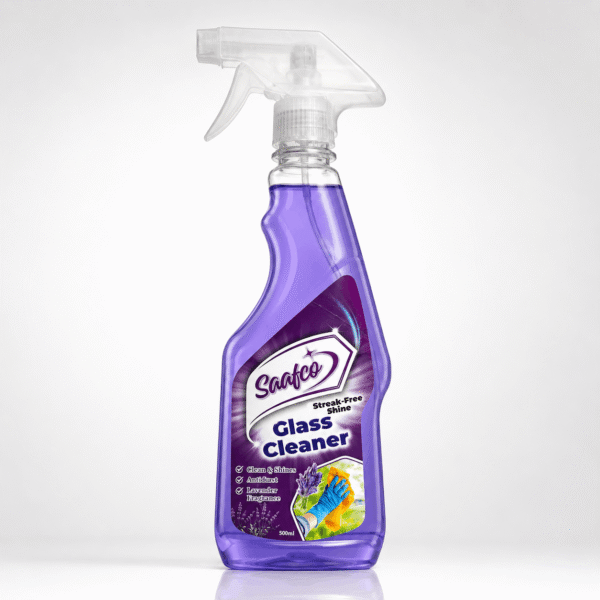
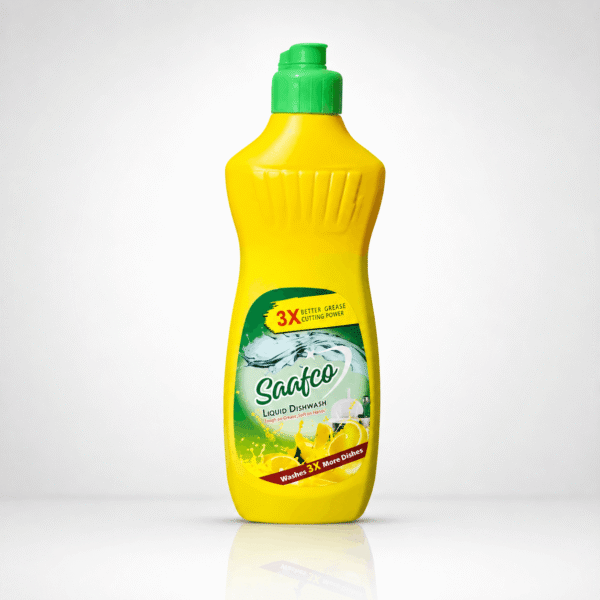
Saafco Premium Glass Cleaner 500ml clears dust, fingerprints and smudges from windows, mirrors and glass tables in one spray-and-wipe. The lavender formula leaves a streak-free shine and a light, fresh scent. For mirrors, spray it onto your cloth first. For large outdoor panes, use a few drops of Saafco 3X Liquid Dish Wash in a bucket of lukewarm water instead.
Related guides: How to Remove Cloudy Water Spots From Glasses · Car Interior Cleaning Guide · Best Dusting Equipment
Saafco Products for Glass and Windows
-
Saafco Premium Glass Cleaner 500ml – Lavender, Streak-Free Spray
Home Cleaning Essentials Original price was: ₨ 650.₨ 499Current price is: ₨ 499. Add to cart -
Saafco Home Starter Pack – Glass, Toilet & Dish Wash Bundle
Bundles & Combos Original price was: ₨ 1,159.₨ 1,049Current price is: ₨ 1,049. Add to cart -
Saafco 3X Liquid Dish Wash 500ml – Lemon, Tough on Grease
Kitchen Essentials Price range: ₨ 210 through ₨ 1,050 Select options This product has multiple variants. The options may be chosen on the product page