How to Remove Oil Stains From Clothes
To remove an oil stain, blot it straight away, work a little dish soap into the spot, then wash the garment in the warmest water its label allows. Let it air dry and check the spot before you use any heat.
Oil spills are part of daily life in a Pakistani home. A drop of tarka, a splash from the frying pan or a greasy hand on a white kurta can leave a dark mark in seconds. Sunscreen, hair oil and bike chains add to the list.
This guide covers every stage: what to do in the first minute, how dish soap and household powders lift oil, which water temperature to use, and how to treat old, set-in marks. It also covers white clothes and the mistakes that make stains permanent. Each section starts with the short answer, so you can jump straight to what you need.
Why Are Oil Stains So Hard to Remove?
Oil does not mix with water, so a normal wash slides straight past it. The oil sits inside the fabric and keeps holding dirt, which is why the mark often looks darker after washing.
Soap solves this. It joins oil and water together so the oil can rinse away. Most experts call this the key step: no amount of rinsing works without a soap or detergent.
Heat is the other problem. Hot air from a tumble dryer or a hot iron can fix the oil deeper into the fibres, making the stain much harder to shift. That is why you should never dry a stained garment until the mark is completely gone.
Food oils are the most common culprits. Cooking oil, ghee and the spiced oil from achaar soak in fast, and many also carry turmeric or chilli that adds colour to the mark. Darker oils such as motor oil need extra effort, but the same steps apply.
What Should You Do First When Oil Spills on Clothes?
Blot the oil at once, before it soaks in. The less oil left in the fabric, the easier the rest of the job becomes.
Take off the garment if you can and lay it flat. Slide a folded cloth or a sheet of thick paper inside, under the stain, so the oil does not pass through to the back.
Press gently with plain kitchen roll or tissue. Lift, move to a clean patch, and press again until no more oil comes up. Never wipe or scrub at this stage, because that would spread the oil outward and deeper into the weave.
Do not run the stain under the tap yet. Water alone can coat the oil and lock it in place, as several cleaning guides warn.
If the spill is small and fresh, this step may lift most of it. For a tiny splash, drawing a piece of chalk over it helps. For larger marks, cover the spot with a powder layer a few millimeters thick; clumping shows it is soaking up oil. Treating the stain within the hour gives you the best chance of removing it fully.
How Do You Remove Oil Stains With Dish Soap?
Dish soap is the most reliable home method. It works by emulsion, joining oil and water so the oil rinses away. Follow these steps:
- Lay flat: put cardboard or an old towel under the stain, then blot off the oil.
- Apply soap: put a little dish wash liquid straight onto the dry stain, on both sides of the fabric.
- Work it in: rub gently with your fingertips or a soft brush. Avoid rubbing hard.
- Wait: leave the soap on the stain for a short while so it can break up the oil.
- Rinse: use warm water and check the spot.
- Wash: machine or hand wash as usual, following the label.
- Air dry: check the mark before ironing.
Use a plain dish wash, not a hand-care formula, and pat the area with a dry cloth before washing. Products with added oils or strong scents can leave their own residue. A detergent with stain-fighting enzymes helps in the main wash if the mark is stubborn.
Which Water Temperature Should You Use for Oil Stains?
Use the warmest water your garment’s label allows. Warm and hot water dissolve oil better than cold, but too much heat can damage some fabrics.
Check the washing symbol before you start. Bob Vila’s guide gives these typical ranges:
| Setting | Temperature | Good for |
|---|---|---|
| Cold | About 18–29°C | Silk, chiffon, dark colours |
| Warm | Up to about 40°C | Most everyday clothes |
| Hot | Up to about 49°C | Sturdy whites, towels, bedsheets |
Most shalwar kameez fabrics, such as lawn and khaddar, handle warm water well. Some fabrics can still tighten in very hot water, so test a hidden seam if you are unsure.
Delicate pieces such as chiffon, silk or embroidered work need extra care. Keep them cool, treat the stain by hand, avoid wringing and never scrub hard.
If the label says dry clean only, like a wool blazer, do not soak it. Blot the oil, cover it with a powder (see the next section) and take it to a dry cleaner.
How Do Household Powders Lift Oil From Fabric?
Powders soak oil out of the fabric before you wash it. They are the best choice for heavy stains and for clothes you cannot wash easily.
Cover the stain completely in a thin, even layer, on both sides if you can. Use any fine, dry kitchen powder. Leave it for a full day on heavy marks; others say overnight is enough for most stains.
You will see the powder darken or form lumps as it absorbs oil. Brush it off with an old soft brush, then add a fresh layer if the stain is still visible.
This method suits heavy items and fabrics that should not be soaked, such as a wool coat or a heavily embroidered dupatta. For washable clothes, follow the powder with dish soap and a normal wash.
When the powder comes off, move on to the vinegar step below.
Does Vinegar Help Remove Oil Stains?
Yes, especially after baking soda or cornstarch has sat for up to 24 hours and been brushed off, or lifted with a vacuum brush. The two react and foam, which helps loosen oil from deep inside the weave.
After brushing off the powder, mix one part vinegar with one part water. Spray the stain on both sides and leave it for half an hour to an hour. Bob Vila recommends diluting the vinegar to avoid any colour loss.
Then scrub gently with a little dish soap and a soft brush, rinse, and blot dry. Repeat the vinegar and soap steps if the mark is still there; expect some trial and error. Homes & Gardens also mentions aloe vera gel, though it is untested.
For quick jobs, Homes & Gardens suggests a paste of baking soda and vinegar in equal measure. Spread it on with a cloth, leave it for about 30 minutes, scrub softly, then wash as usual.
Test vinegar on a hidden seam first if the fabric is brightly dyed.
How Do You Remove Old or Dried Oil Stains?
Old stains need a stronger treatment, but many can still be removed. Start by softening the oil, then treat it like a fresh stain.
First, lift any crust. Gently scrape the surface with a blunt edge, taking care not to cut the fabric.
Homes & Gardens shares two expert methods. A citrus paste can be applied for up to an hour, then brushed gently and washed. For marks that have already been washed and dried, a dermatologist suggests soaking the item in warm water for half an hour, then dabbing on a little surgical spirit or vinegar for a short time before rinsing.
After either treatment, use dish soap again and wash at the warmest safe temperature.
Be patient. A stain that has been dried with heat may need several rounds of treatment, and some very old marks will fade rather than disappear completely.
How Do You Remove Oil Stains From White Clothes?
Treat the oil first, then whiten. Bleach or whitener alone will not remove grease, and it can lock the mark in if the oil is still there.
Work through the dish soap steps above until the dark patch is gone. Then deal with any yellow shadow left behind.
For white cotton and lawn, a whitener in the main wash brightens the fabric again. Always check the garment’s label first, because not every white fabric can take bleach. Use oxygen or colour-safe products where the label says no chlorine.
A blue whitener (neel) gives whites a crisp, bright look after washing. It does not remove stains, but it hides any light yellowing that remains. Mix only a little in a full tub of rinse water, so the fabric does not turn blue.
Wash white clothes separately while you treat a stain, so the oil cannot move onto other clothes in the machine.
What Mistakes Make Oil Stains Worse?
Most permanent oil stains come from heat or rough handling. Avoid these common mistakes:
- Rinsing first: plain water moves the oil around and seals it in.
- Wiping hard: rubbing pushes oil wider and deeper; blot with paper towels or napkins instead.
- Using the dryer: dryer heat can bind oil to the fabric for good.
- Ironing too soon: a hot iron has the same effect as a dryer.
- Skipping the label: check the care label first. Cold is about 65–85°F, warm up to 105°F and hot up to 120°F; hotter water can shrink delicate fabrics.
- Giving up early: many stains need two or three rounds.
Nick Valentino of Bellhop Movers told Homes & Gardens that soap is oil’s worst enemy. Use it every time.
If a mark is still there after washing, do not dry it. Treat it again while the fabric is damp.
Does Dish Soap Work on Ghee and Achaar Oil?
Yes. A grease-cutting dish soap handles ghee and achaar oil well. Put a few drops on the stain, work it in gently with a soft toothbrush, and leave it for about 5 minutes before washing. Avoid a moisturizing formula with added fragrances, and use an enzyme-based detergent for the main wash. For the colour from turmeric, a second round is often needed.
Can You Use a Stain Remover Spray on Oil?
Yes, a laundry spray can help with stubborn marks. Apply it after blotting and before the wash. Do not rely on it alone, though: blotting, dish soap and the right water temperature do most of the work. A homemade spray works too: equal parts white vinegar and distilled water in a spray bottle, left for 30 to 60 minutes. It fizzes as it works, and diluting it prevents fading.
Can Oil Stains Come Out After Drying?
Often, yes, though it takes more effort. Soak the garment in warm water, then apply rubbing alcohol or vinegar for 10–15 minutes, as Dr Jake Woods of Gya Labs suggests. Brush gently, use dish soap and wash again. A lemon juice and salt paste, recommended by Karina Toner of Spekless Cleaning, also helps. Lift any crust first with a spoon or butter knife.
Which Saafco Products Help With Oil Stains?
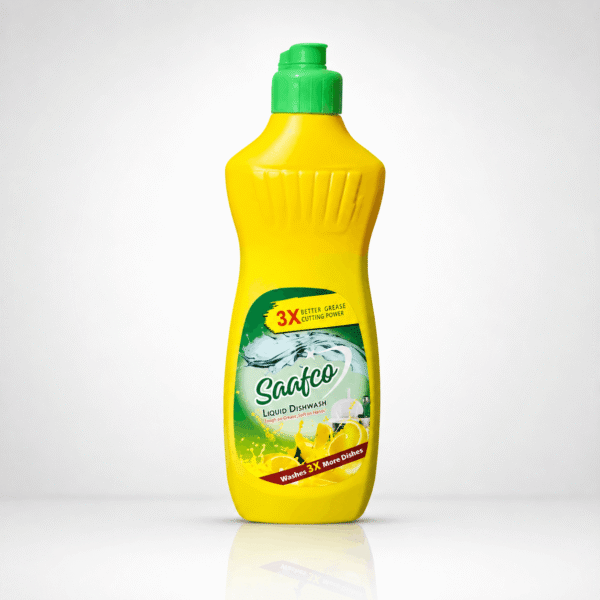
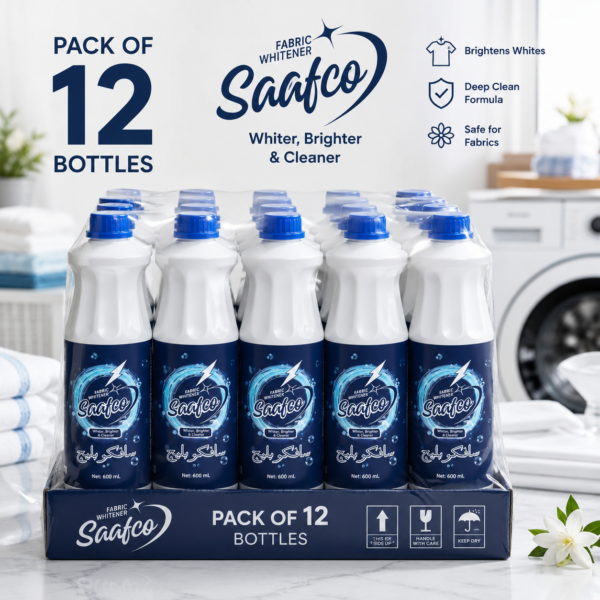
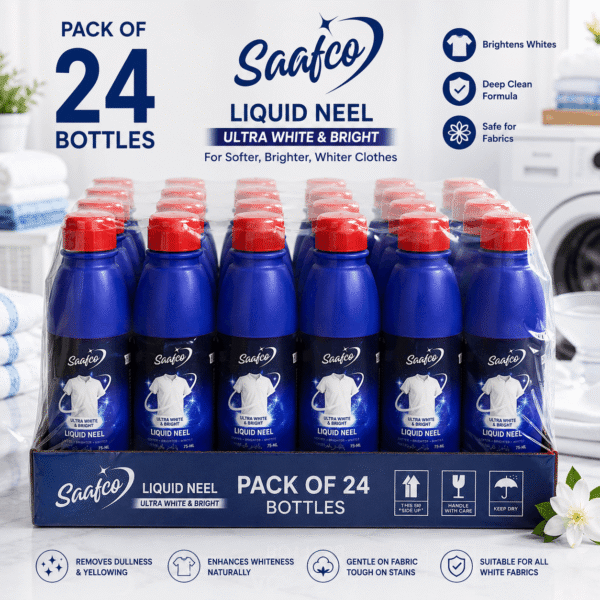
Saafco 3X Liquid Dish Wash is a grease-cutting dish soap with a fresh lemon scent, sold in a 500ml bottle. A few drops on an oil stain work just as they do on a greasy plate. Its rich lather foams into the fibres. For white garments, Saafco Fabric Whitener, a non-chlorine whitener, brightens fabric that the label marks as bleach-safe, and Liquid Blue Neel adds a crisp finish at 1–2 drops per bucket of rinse water. Prefer a branded spray such as OxiClean or Shout? Use the stain remover spray or foam after blotting, never instead of it.
Related guides: How to Remove Oil Stains From Marble · How to Clean Greasy Dishes · Kitchen Hood Cleaning
Saafco Products for Oil and Laundry Stains
-
Saafco 3X Liquid Dish Wash 500ml – Lemon, Tough on Grease
Kitchen Essentials Price range: ₨ 210 through ₨ 1,050 Select options This product has multiple variants. The options may be chosen on the product page -
Saafco Fabric Whitener Liquid Bleach 600ml – Non-Chlorine, Pack of 12
Wholesale Cleaning Essentials ₨ 1,320 Add to cart -
Saafco Liquid Blue Neel 75ml for White Clothes – Wholesale Pack of 24
Wholesale Cleaning Essentials ₨ 1,200 Add to cart