How to Clean a Water Dispenser
To clean a water dispenser, unplug it, remove the bottle, drain the taps, fill the reservoir with a mild vinegar or bleach solution, wait a few minutes, drain it and rinse several times with clean water. Then wash the drip tray and outside with soapy water.
In Pakistani homes and offices, dispensers run all day and often sit in warm rooms, which helps bacteria and algae grow. Many people never clean the inside at all.
This guide covers why cleaning matters, the solutions to use and their exact amounts, the full step-by-step method, the outside and drip tray, bottle hygiene and how often to clean. Each section starts with the short answer, so you can jump to what you need.
Why Should You Clean Your Water Dispenser?
A dispenser that is never cleaned can grow bacteria, mould and green algae inside the reservoir and taps. That affects both the taste and safety of your drinking water.
Graana notes that bacteria can feed on rubber seals and enter the bottle each time it is changed. Over time, a green or slimy layer can form where light reaches the water.
Hard water also leaves scale. In cities with mineral-rich supply, white crust builds up around the taps and inside the hot tank, which can slow the flow.
Primo Water, a US dispenser brand, says a change in taste or flow is a sign the unit needs cleaning straight away.
Office dispensers need extra attention. Many people touch the taps every day, and spilled water in the drip tray stays warm and stagnant.
Which Cleaning Solution Should You Use?
Use diluted white vinegar to remove scale, or a weak unscented bleach solution to disinfect. Never mix the two.
| Solution | Amount | Contact time | Best for |
|---|---|---|---|
| Vinegar | 1 part vinegar to 3 parts water | 10–15 minutes | Scale and hard-water build-up |
| Bleach | 1 tablespoon per gallon (about 4 litres) | 5–10 minutes | Disinfecting |
| Vinegar (Primo Water) | 2 cups in a 5-gallon bottle of hot water | 10 minutes | Whole-system flush |
The first two rows come from Lowe’s. Graana advises unscented bleach, because scented types leave a smell, and says not to leave any solution in for too long.
Lowe’s warns that mixing bleach and vinegar can release toxic fumes. Use one, rinse fully, then use the other on another day if needed.
Adding 1–2 tablespoons of lemon juice to the vinegar mix helps reduce its smell. Always check your dispenser’s manual first.
How Do You Clean a Water Dispenser Step by Step?
Unplug it, drain it, fill with solution, scrub, drain and rinse until no smell remains. Lowe’s and Graana describe the same basic method:
- Unplug: switch off and unplug the unit.
- Remove the bottle: lift it straight up and set it aside.
- Drain: open both taps to empty the reservoir into a bucket.
- Fill with solution: pour your chosen mix into the reservoir.
- Scrub: use a soft brush or sponge on the inside walls.
- Wait: leave it for the contact time in the table above.
- Drain: empty the solution through the taps.
- Rinse: refill with clean water and drain, repeating until there is no aftertaste.
- Refit: wash your hands and fit a clean bottle.
Wear gloves and eye protection when using bleach. Lowe’s also advises removing the no-spill guard and baffle, washing them in mild soapy water and drying them before refitting.
How Do You Clean the Outside and Drip Tray?
Wash the outside, taps and drip tray with mild soapy water, then dry them fully. Do not use bleach on the outside, because Lowe’s warns it can make the plastic brittle.
Remove the drip tray and wash it like a dish. It collects spilled water and dust, and often grows a pink or black film if left.
Unscrew the taps if your model allows it, and wash them in warm soapy water. Use a small brush or old toothbrush inside the spouts.
Wipe the bottle collar and the top of the dispenser with a cloth dipped in vinegar solution. This is where hands touch most when changing bottles.
If you see mould on the outer support collar, Lowe’s suggests a light scrub with mould remover. Keep it away from the reservoir and anything that touches drinking water.
Dry every part before refitting, so moisture does not sit in corners.
How Should You Handle Water Bottles Hygienically?
Wash your hands before changing the bottle, wipe the bottle neck, and store spare bottles out of sunlight. These steps stop germs entering a clean dispenser.
Graana notes that bacteria can travel into the bottle during changes, so clean hands matter.
Before fitting a new bottle, wipe its cap and neck with a clean cloth. Then peel off the seal and lift it into place quickly.
Store spare bottles in a cool, shaded spot. Sunlight and heat encourage algae growth inside the plastic, especially in Pakistani summers.
Do not leave an empty dispenser running. Without water, hot tanks can overheat, and the dry reservoir collects dust.
If your water supplier refills bottles, check that they look clean and sealed. Reject any bottle with cloudy water, floating particles or a broken cap.
How Often Should You Clean a Water Dispenser?
Clean the inside every one to three months, and wipe the outside weekly. Advice varies by source:
- Graana: clean monthly, with a deep clean every six months.
- Primo Water: every three months, or more often with heavy or shared use.
- Lowe’s: inside at least every six months; outside more often.
For most Pakistani homes, a monthly vinegar rinse and a deeper bleach clean every three months is a sensible routine. Offices with many users should aim for monthly disinfecting.
Clean sooner if you notice any of these signs:
- Water tastes or smells odd
- Slow flow from either tap
- Green, black or pink marks inside
- White crust around the taps
Graana adds that you should not clean the inside daily, because frequent chemical use can wear internal parts.
What Mistakes Should You Avoid When Cleaning a Dispenser?
The biggest mistakes are mixing chemicals, leaving solution in too long and not rinsing enough. Any of these can damage the unit or affect your drinking water.
- Mixing bleach and vinegar: can create toxic fumes.
- Too much bleach: Lowe’s warns excess bleach can damage the cooler.
- Long soaks: Graana says no more than about 5 minutes for bleach inside.
- Too few rinses: rinse until there is no smell or taste at all.
- Harsh cleaners: never use toilet, floor or acid cleaners inside a dispenser.
- Skipping the manual: some models, especially bottom-loading ones, need a different method.
Taste a little water from both taps when you finish. If you notice any trace of vinegar or bleach, rinse again before anyone drinks from it.
Can You Clean a Water Dispenser With Only Vinegar?
Yes. Vinegar removes scale and freshens the reservoir. Graana notes that bleach disinfects better, so use vinegar for routine cleans and bleach occasionally. Rinse four to five times after either.
How Do You Clean the Hot Water Tank?
Drain it through the hot tap after unplugging and letting it cool. Primo Water flushes hot vinegar solution through both reservoirs, then rinses with clean hot water. Follow your model’s manual, as some hot tanks have a separate rear drain plug.
Is It Safe to Use Bleach in a Water Dispenser?
Yes, in small amounts and with thorough rinsing. Use about 1 tablespoon of unscented bleach per gallon, leave it briefly, then rinse until no smell remains.
Which Saafco Product Can You Use on a Water Dispenser?
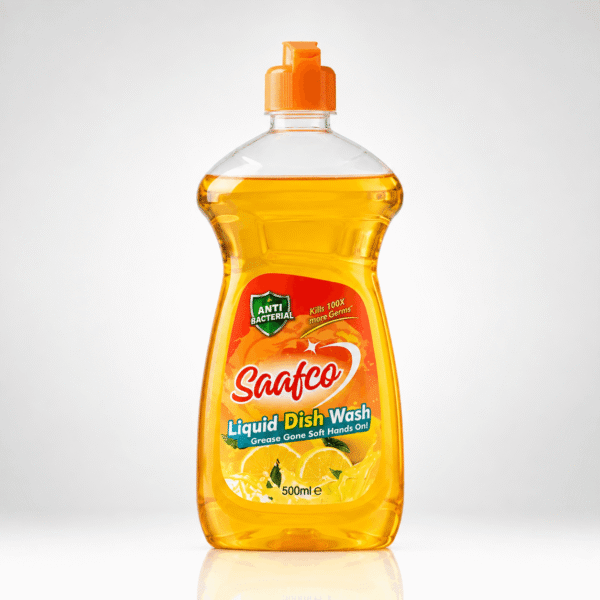
For the drip tray, taps, no-spill guard and outside panels, a few drops of Saafco Antibacterial Dish Wash in warm water make a mild soapy wash. Rinse well and dry. Never use toilet cleaners or drain openers on any part that touches drinking water. It ships nationwide with Cash on Delivery.
Related guides: How to Clean Greasy Dishes · Clean Workspace Guide · Hotel Room Cleaning
Saafco Products for a Cleaner Kitchen
-
Saafco Antibacterial Dish Wash Liquid – 250ml & 500ml, Lemon
Kitchen Essentials Price range: ₨ 145 through ₨ 1,140 Select options This product has multiple variants. The options may be chosen on the product page -
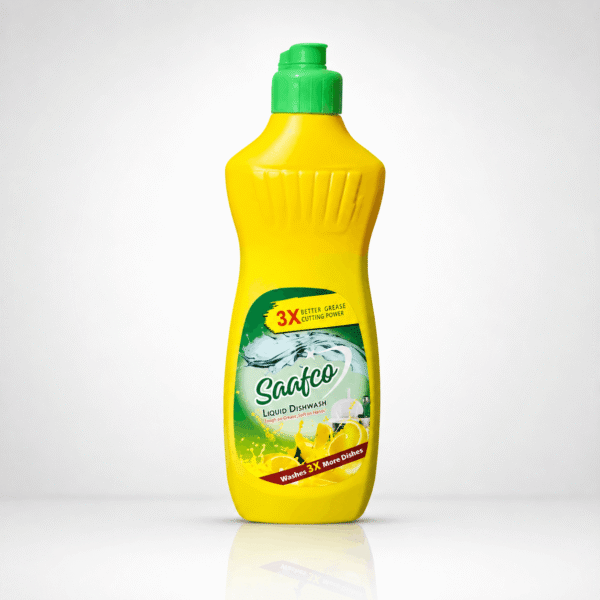
Saafco 3X Liquid Dish Wash 500ml – Lemon, Tough on Grease
Kitchen Essentials Price range: ₨ 210 through ₨ 1,050 Select options This product has multiple variants. The options may be chosen on the product page -
Saafco Home Starter Pack – Glass, Toilet & Dish Wash Bundle
Bundles & Combos Original price was: ₨ 1,159.₨ 1,049Current price is: ₨ 1,049. Add to cart